
When a tooth becomes damaged or develops a cavity, you may assume that a filling is all you need. However, not every tooth can be repaired effectively with a traditional dental filling. Sometimes, a tooth needs additional protection to restore its strength and prevent further damage. In those situations, a dental crown may be the more appropriate solution.
At Blue Jay Family Dentistry, we help patients understand their restorative treatment options without unnecessary confusion. Our dental crowns in Maplewood, MN are designed to protect weakened teeth while restoring comfortable chewing and a natural appearance. Whether you have a cracked tooth, a large cavity, or an older restoration that needs replacement, understanding the differences between crowns and fillings can help you make an informed decision.
What Is a Dental Crown?
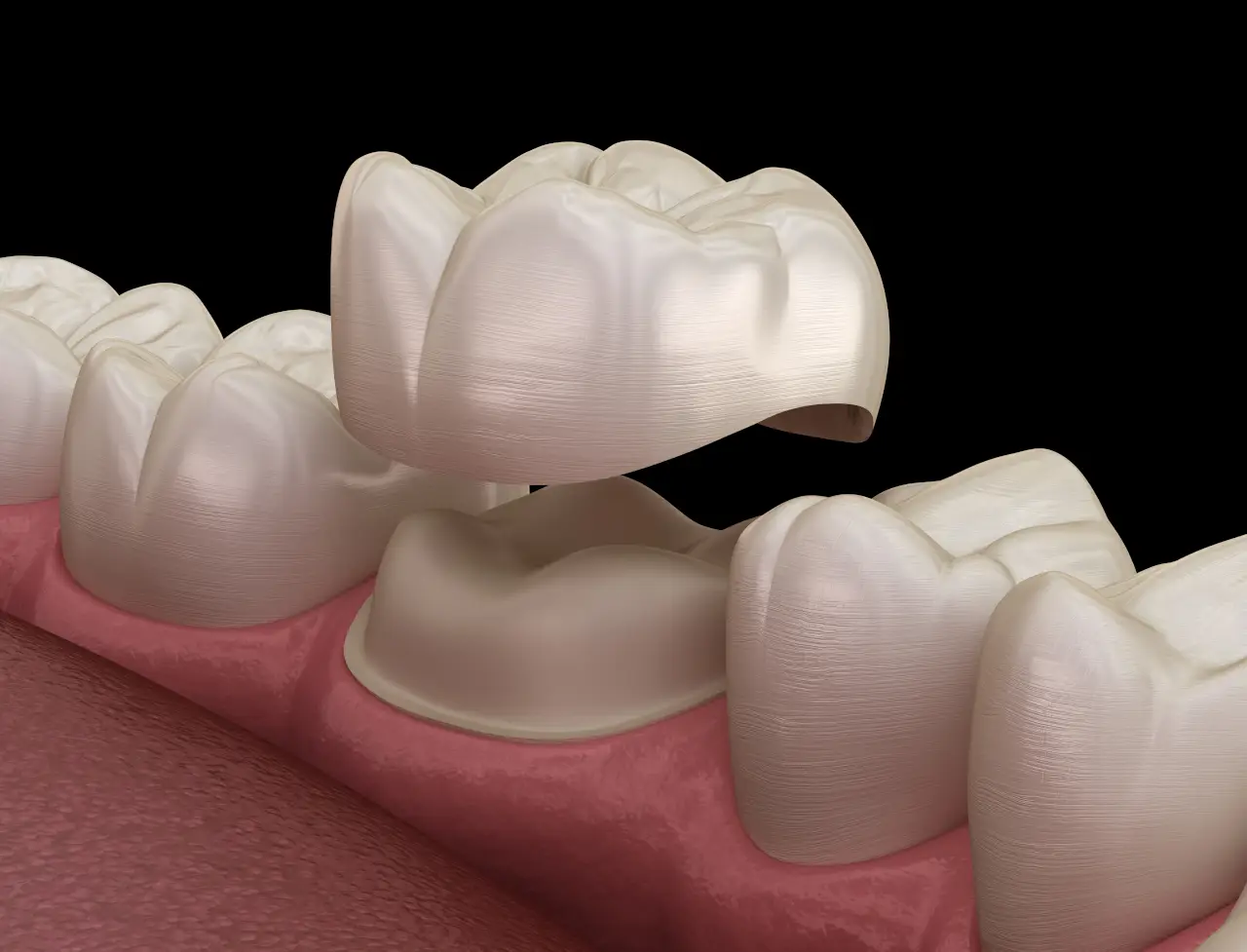
A dental crown is a custom-made restoration that covers the visible portion of a tooth above the gumline. It is sometimes called a cap because it fits over a prepared tooth, protecting the remaining natural structure.
Dental crowns are commonly recommended when a tooth has lost substantial strength because of decay, fracture, wear, or previous treatment. Unlike a filling, which replaces a portion of missing tooth structure, a crown covers the tooth more extensively.
Modern dental crowns can be made from several materials, including porcelain, ceramic, zirconia, and metal alloys. The appropriate material depends on the location of the tooth, biting forces, cosmetic preferences, and other clinical considerations.
For example, a tooth-colored crown may be an excellent choice when natural appearance is important. Meanwhile, certain stronger materials may be preferred for teeth exposed to significant chewing pressure.
At Blue Jay Family Dentistry, Dr. Nickolas Felten evaluates the condition of each tooth before recommending a restoration. This personalized approach helps ensure that treatment supports both function and long-term oral health.
How Is a Dental Crown Different From a Filling?
Dental fillings and crowns are both restorative treatments, but they serve different purposes.
A filling is typically used when a relatively small or moderate area of tooth structure has been damaged by decay or minor injury. After removing the affected material, the dentist places a restorative substance into the prepared area. Tooth-colored composite resin is commonly used because it can blend with surrounding enamel.
A crown, however, is designed to protect a larger portion of the tooth. When too much natural structure is missing, placing a very large filling may not provide sufficient long-term reinforcement.
Additionally, extensive fillings can sometimes leave thin sections of tooth vulnerable to cracking under chewing pressure. A properly designed crown helps distribute biting forces across the restored tooth.
Nevertheless, crowns require more tooth preparation than most fillings. Therefore, preserving healthy tooth structure remains an important consideration when choosing between these treatments.
The best option depends on how much healthy tooth remains, the location of the damage, and whether the tooth can withstand everyday chewing forces.
Signs You May Need a Dental Crown Instead of a Filling
Not every damaged tooth requires a crown. However, certain situations make crown treatment more likely.
A Large Cavity Has Weakened the Tooth
Small cavities can often be restored with fillings. However, extensive decay may leave insufficient natural structure to support a traditional filling reliably.
In these cases, a dental crown can provide additional coverage and protection after the damaged areas are treated.
Your Tooth Is Cracked or Fractured
Teeth can develop cracks because of injuries, grinding, large restorations, or repeated chewing pressure. Some cracks cause discomfort when biting, while others are discovered during routine examinations.
A crown may help stabilize certain cracked teeth and reduce the risk of further damage. However, cracks extending deeply into the root may require another treatment approach.
You Have a Tooth With a Large Existing Filling
Older fillings sometimes deteriorate, develop leakage, or become surrounded by weakened tooth structure. Replacing a large restoration with another filling may not always be the most durable solution.
Therefore, your dentist may recommend a crown when the remaining tooth needs additional support.
You Recently Received Root Canal Treatment
Teeth that have undergone root canal therapy may require crowns, particularly molars and premolars that experience substantial chewing forces.
However, the need for a crown depends on tooth location, remaining structure, and the condition of the restoration.
Your Tooth Has Significant Wear
Grinding, clenching, or long-term wear can gradually reduce tooth structure. In some cases, dental crowns help restore the shape and function of affected teeth.
Importantly, the cause of the wear should also be addressed to help protect the new restoration.
Benefits of Dental Crowns for Damaged Teeth
Dental crowns offer several advantages when a tooth needs more protection than a conventional filling can provide.
- Protection for weakened teeth: A crown covers vulnerable tooth structure and may reduce the likelihood of certain fractures.
- Restored chewing function: Properly designed crowns help patients bite and chew more comfortably.
- Natural-looking appearance: Tooth-colored materials can be matched to surrounding teeth for a balanced result.
- Support after root canal treatment: Crowns can help protect teeth that have undergone extensive restorative procedures.
- Improved tooth shape: A crown can restore a tooth that has become worn, broken, or irregularly shaped.
- Long-term durability: With appropriate care, many crowns remain functional for years.
- Preservation of natural teeth: When clinically appropriate, a crown may help maintain a tooth that would otherwise be at risk of further deterioration.
Although crowns are durable, they are not indestructible. Good oral hygiene, regular examinations, and avoiding excessive biting forces remain essential for protecting both the restoration and the underlying tooth.
What Happens During a Dental Crown Appointment?
Understanding the treatment process can make dental crown appointments feel more predictable. Although procedures vary depending on the tooth and material used, crown treatment generally involves several steps.
Step 1: Examination and Treatment Planning
Your dentist examines the tooth and may take dental X-rays to evaluate its condition. This helps determine whether a crown is appropriate or whether another restorative option would provide a better outcome.
Step 2: Preparing the Tooth
The damaged or decayed portions of the tooth are treated, and the tooth is reshaped to make room for the crown. Local anesthesia is commonly used when needed for comfort.
Step 3: Digital Impressions
Blue Jay Family Dentistry uses digital scanning technology to capture detailed information about the prepared tooth. These impressions help create a restoration with an appropriate fit and bite relationship.
Step 4: Creating the Restoration
The crown is fabricated according to the planned shape, size, and material. Depending on the treatment process, a temporary crown may be placed while the final restoration is being made.
Step 5: Fitting and Placement
When the final crown is ready, your dentist evaluates its fit, appearance, and bite. Necessary adjustments are made before the crown is secured in place.
Afterward, your dental team provides instructions for eating, cleaning, and caring for the restoration.
How Long Do Dental Crowns Last?
Many dental crowns last approximately 10 to 15 years, while some remain functional considerably longer. However, lifespan varies depending on materials, biting habits, oral hygiene, and the condition of the underlying tooth.
For example, regularly chewing ice, using teeth to open packages, or grinding teeth at night can increase the risk of damage.
Additionally, although a crown itself cannot develop a cavity, the natural tooth around its margins can still experience decay. Therefore, brushing and cleaning between teeth remain essential.
Regular dental examinations allow your dentist to inspect crown margins, evaluate your bite, and identify early signs of problems.
Patients who grind their teeth may also benefit from discussing whether a protective nightguard is appropriate.
Can You Eat Normally With a Dental Crown?
Once a permanent crown is properly placed and any immediate precautions have passed, most patients can enjoy a broad range of foods.
However, you should follow your dentist’s instructions regarding eating immediately after treatment, particularly if anesthesia or temporary cement was used.
Hard candies, ice, and extremely sticky foods can increase the risk of damage to restorations. Consequently, avoiding unnecessary stress on your crowns is a sensible long-term habit.
If a newly placed crown feels too high when you bite, contact your dentist. A bite adjustment may be necessary to prevent discomfort or uneven pressure.
Persistent sensitivity, pain, or a loose crown also warrants professional evaluation rather than attempting a home repair.
What If a Dental Crown Is Not the Right Option?
Although crowns are versatile, they are not suitable for every dental concern. A small cavity may need only a filling, while extensive damage below the gumline may require more complex treatment.
In other situations, an onlay or another partial-coverage restoration may preserve more natural tooth structure.
If a tooth cannot be restored predictably, your dentist may discuss extraction and tooth replacement options. These can include dental bridges or other appropriate restorative solutions.
Furthermore, patients with multiple damaged teeth may benefit from a broader restorative dentistry plan rather than treating each concern independently.
The goal is not simply to place the largest or strongest restoration. Instead, effective treatment balances preservation, comfort, durability, and the specific needs of your tooth.
How Much Does a Dental Crown Cost in Maplewood, MN?
The cost of a dental crown depends on several factors, including the selected material, the condition of the tooth, and whether additional procedures are necessary.
Dental insurance may provide partial coverage when a crown is considered medically necessary. However, plan limitations, deductibles, waiting periods, and annual maximums can affect the final cost.
Before beginning treatment, request an explanation of the recommended procedure and estimated expenses. Understanding your options can make financial planning easier.
At Blue Jay Family Dentistry, treatment recommendations are based on clinical findings and individual dental needs. Patients can discuss restorative options and related financial considerations with the practice before proceeding.
Frequently Asked Questions About Dental Crowns
Is a dental crown stronger than a filling?
A crown provides more extensive coverage than a filling and may better protect a significantly weakened tooth. However, a filling is often preferable when only a small amount of tooth structure needs repair.
Does getting a dental crown hurt?
Local anesthesia is generally used when appropriate during crown preparation. Some temporary tenderness or sensitivity may occur afterward, but persistent or severe discomfort should be evaluated.
Can a tooth under a crown still get a cavity?
Yes. Decay can develop in the natural tooth near the edges of a crown. Daily brushing, interdental cleaning, and routine dental visits help reduce this risk.
How many appointments does a dental crown require?
Many traditional crowns require two appointments, although the exact process depends on the material, fabrication method, and clinical circumstances.
Can a cracked tooth always be saved with a crown?
No. Some cracks can be managed with a crown, but fractures extending deeply into the root or compromising tooth stability may require other treatment.
Protect Your Natural Teeth With Personalized Restorative Care
Choosing between a dental crown and a filling depends on more than the size of a cavity. The amount of healthy tooth structure, your bite, and the long-term strength of the tooth all matter. With a professional evaluation, you can better understand which option is appropriate for your situation.
Blue Jay Family Dentistry provides customized dental crowns in Maplewood, MN. If you have a damaged tooth or want to explore restorative treatment, Call Us Today at 651-770-2900 to book an appointment with Dr. Nickolas Felten.