
Have you noticed that your teeth look a little different in certain lighting or photographs? Tooth color can change gradually over time because of coffee, tea, certain foods, and the natural aging process. If you are interested in brightening your smile, you may be wondering whether professional teeth whitening delivers better results than products available at the store.
At Blue Jay Family Dentistry, we help patients explore cosmetic treatments that align with their individual preferences. Our professional teeth whitening in Maplewood, MN includes dentist-supervised options designed to address common tooth discoloration. Whether you prefer an in-office appointment or a take-home whitening system, understanding the treatment process can help you set realistic expectations.
What Is Professional Teeth Whitening?
Professional teeth whitening is a cosmetic dental treatment that uses specially formulated whitening agents to lighten the color of natural teeth. These products generally contain hydrogen peroxide or carbamide peroxide, which help break down certain stain-causing compounds.
Unlike a routine dental cleaning, which removes plaque, tartar, and some surface stains, whitening treatment is designed to change the shade of natural tooth enamel.
Professional whitening options may use stronger bleaching agents than typical over-the-counter products. However, the concentration, application method, and duration are selected according to the treatment system and individual patient needs.
Before recommending whitening, your dentist evaluates your teeth and gums. This examination can identify untreated cavities, gum irritation, exposed roots, or existing dental restorations that may affect the procedure.
Importantly, whitening is not necessary for oral health. It is an elective cosmetic option for people who would like to change their tooth shade. A healthy smile can have many natural colors.
Why Do Teeth Become Discolored?
Tooth discoloration can develop for several reasons, and identifying the cause helps determine whether whitening is likely to be effective.
Foods and Beverages
Coffee, tea, red wine, and certain deeply pigmented foods contain compounds that can contribute to staining. Frequent exposure may gradually change the appearance of tooth surfaces.
However, enjoying these foods does not automatically mean you need whitening treatment. Personal preferences and oral health should guide your decision.
Natural Aging
As people age, the outer enamel layer can become thinner through normal wear. The underlying dentin, which tends to have a more yellow appearance, may become more noticeable.
Consequently, teeth can appear darker or warmer in color even when you practice good oral hygiene.
Tobacco Use
Smoking and other forms of tobacco exposure can create persistent stains on tooth surfaces. These habits also increase the risk of several oral health problems.
Medications and Developmental Factors
Certain medications and developmental conditions may contribute to internal tooth discoloration. These stains do not always respond predictably to conventional whitening products.
Dental Injuries
A tooth that has experienced trauma may change color because of changes within its internal tissues. Since this discoloration may be associated with an underlying dental problem, professional evaluation is especially important.
Identifying why a tooth has changed color helps avoid unnecessary treatment and guides the selection of appropriate cosmetic options.
Professional Whitening vs. Store-Bought Whitening Products
Walk through almost any pharmacy, and you will find whitening strips, toothpaste, gels, rinses, and other products promising a brighter smile. With so many options available, it is reasonable to wonder why patients choose professional whitening.
Store-bought whitening products may lighten some stains, particularly when used correctly. However, product strength and effectiveness vary considerably.
Professional treatment adds several important considerations. First, your dentist can evaluate whether whitening is suitable for your teeth. Second, treatment can be selected according to the type of discoloration and your sensitivity history.
In addition, professional take-home systems may include custom-fitted trays that help distribute whitening gel across the teeth more consistently.
However, professional whitening does not guarantee perfectly uniform results. Natural variations in enamel, internal discoloration, and existing restorations can all influence the final appearance.
When comparing options, consider safety, convenience, sensitivity, cost, and the degree of shade change you would like to achieve.
Benefits of Professional Teeth Whitening
Professional whitening offers several advantages for suitable candidates who want to lighten their natural tooth color.
- Personalized treatment: Whitening options can be selected according to your existing tooth shade, sensitivity, and desired outcome.
- Professional assessment: A dental examination helps identify cavities, gum concerns, and restorations that could affect treatment.
- More predictable application: Dentist-supervised methods help control how whitening products are used.
- Convenient treatment options: In-office and take-home approaches allow patients to consider different schedules and preferences.
- Potentially noticeable shade improvement: Many external stains respond to peroxide-based whitening agents.
- Guidance for sensitive teeth: Your dental team can recommend adjustments or additional precautions when appropriate.
- Maintenance recommendations: Professional advice can help you care for your teeth and manage new staining after treatment.
Although these advantages can make whitening appealing, results vary. The goal should be a tooth shade that is healthy, realistic, and appropriate for your natural enamel.
What Happens During In-Office Teeth Whitening?
In-office whitening is an option for patients who prefer professional application during a dental appointment.
Before treatment begins, your dentist checks the condition of your teeth and gums. The dental team may also record your initial tooth shade to help evaluate the result.
Next, protective measures are used to limit contact between the whitening material and sensitive gum tissues. The whitening agent is then applied according to the specific product’s instructions.
Depending on the system, the gel may remain on the teeth for a series of timed applications. The dental team monitors the process and removes the material once treatment is complete.
Some patients notice a visible change after a single appointment. However, the amount of improvement depends on the starting shade and the cause of discoloration.
Additionally, teeth can temporarily appear lighter immediately after treatment because of dehydration. The shade may settle as normal moisture levels return.
Your dentist can explain what degree of change is realistic before you proceed.
How Do Professional Take-Home Whitening Kits Work?
Take-home whitening is another option for patients who prefer gradual treatment in their own routine.
Professional systems may use custom-fitted trays and a whitening gel selected for the patient’s needs. The trays help hold the product against the tooth surfaces for the recommended period.
Patients receive instructions regarding how much gel to use, how long to wear the trays, and how frequently treatment should be performed.
However, more gel does not mean better results. Using excessive product can increase irritation and waste material.
Consistency is important, but treatment should not continue beyond your dental team’s recommended schedule.
Some people appreciate take-home whitening because it allows treatment to progress gradually. Meanwhile, others prefer an office appointment that requires less independent application.
Blue Jay Family Dentistry offers both in-office whitening and custom take-home options, allowing patients to discuss which approach best fits their preferences.
How White Can Your Teeth Get?
The results of professional teeth whitening depend on several factors, including the natural color of your teeth, the type of stains present, and your response to the whitening agent.
For example, yellow-toned discoloration may respond differently than gray-toned or internally stained teeth. Some developmental staining is particularly resistant to conventional bleaching.
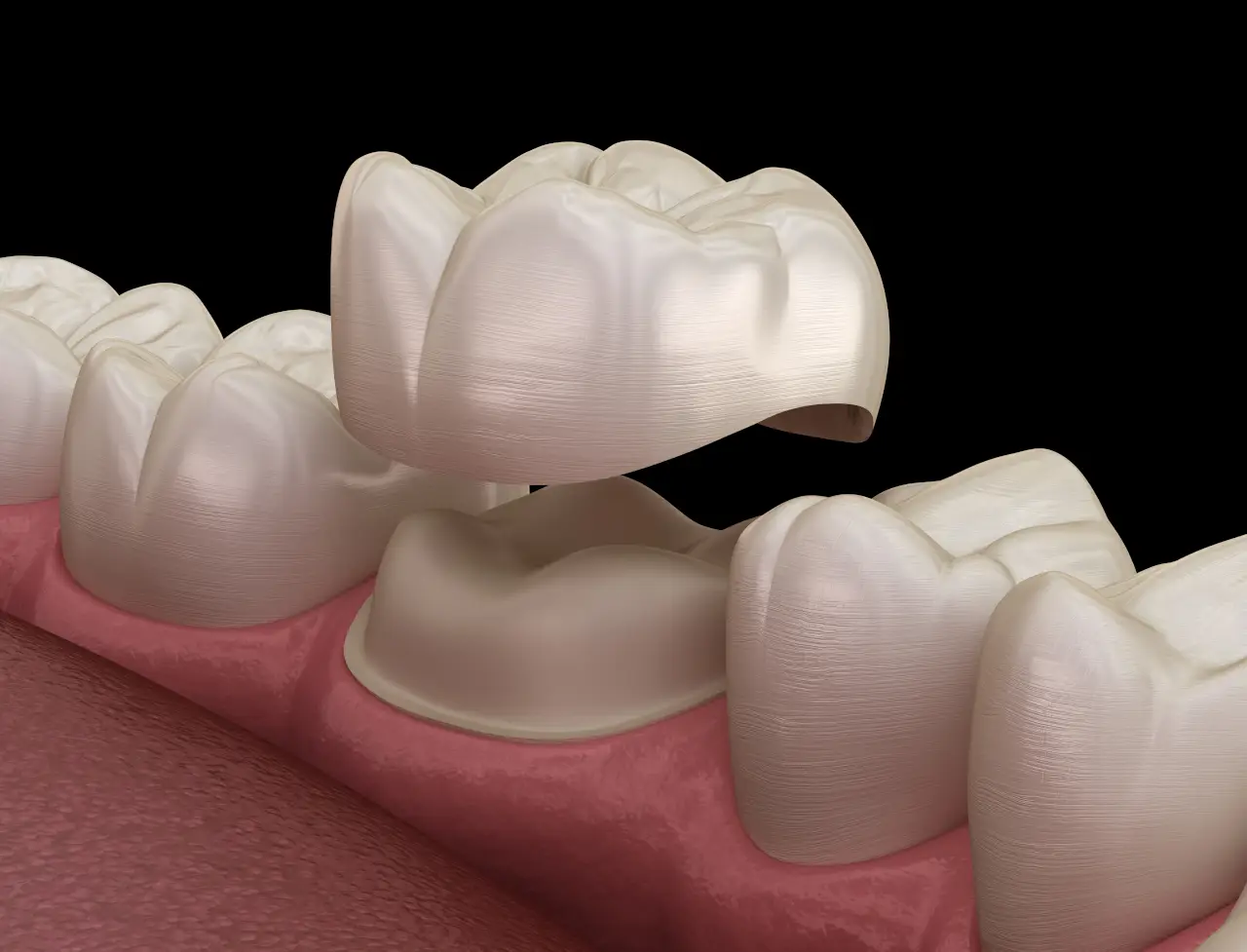
Furthermore, dental crowns, veneers, and fillings generally do not change color in response to whitening products. If these restorations are visible when you smile, they may create a shade difference after your natural teeth become lighter.
For that reason, patients considering multiple cosmetic treatments should discuss the overall sequence with their dentist.
In certain cases, whitening before replacing visible restorations may make it easier to coordinate their final shade. However, appropriate timing depends on the planned treatment.
Rather than focusing on achieving the brightest possible shade, a more useful goal is finding a result that complements your natural teeth and personal preferences.
Does Professional Teeth Whitening Cause Sensitivity?
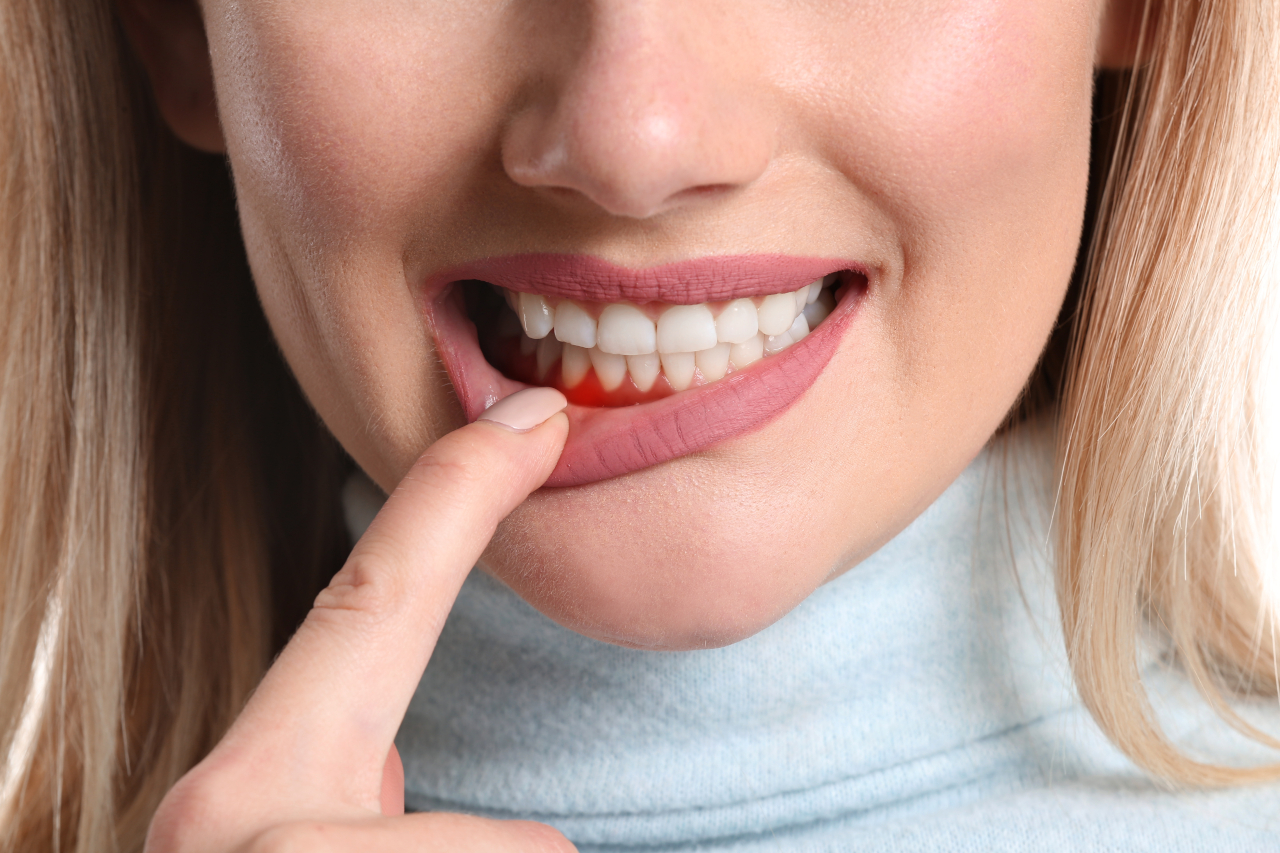
Temporary tooth sensitivity is a common side effect of peroxide-based whitening products. Some patients also experience brief gum irritation if the whitening material contacts soft tissues.
Fortunately, these effects are often temporary and improve after treatment ends.
However, sensitivity levels vary from person to person. Patients with exposed tooth roots, enamel wear, existing sensitivity, or certain dental conditions may need additional precautions.
Your dentist may recommend a lower-concentration product, shorter application periods, desensitizing toothpaste, or spacing treatments farther apart.
Importantly, persistent pain should not be considered a normal part of whitening. If you develop significant discomfort, stop using the product and contact your dental team.
Having your teeth evaluated before beginning whitening helps identify concerns that should be addressed first.
How Long Do Teeth Whitening Results Last?
Professional whitening results are not permanent. Over time, teeth may gradually accumulate new stains or undergo natural color changes.
However, the duration of results differs widely depending on diet, tobacco exposure, oral hygiene, and individual tooth characteristics.
Some patients maintain a noticeable difference for many months or longer. Others may notice changes sooner, particularly when consuming frequently staining beverages.
To support your results, consider practical habits such as drinking water after coffee or tea, brushing twice daily, and cleaning between your teeth.
Regular dental cleanings and examinations also help manage surface deposits and maintain overall oral health.
If you are considering occasional whitening touch-ups, ask your dentist about an appropriate schedule rather than repeatedly using products without guidance.
Who Might Not Be a Good Candidate for Whitening?
Professional teeth whitening is not appropriate for everyone. Certain conditions may need treatment before whitening can be considered.
For example, untreated cavities, active gum disease, and significant sensitivity should be assessed before exposure to bleaching agents.
People with numerous visible crowns, veneers, or fillings should also understand that these materials will not respond to whitening like natural teeth.
Additionally, whitening is generally deferred during pregnancy because of limited safety evidence for elective bleaching procedures.
Patients interested in changing the appearance of teeth that cannot be predictably whitened may wish to discuss alternative cosmetic dentistry treatments.
Options such as veneers may address certain forms of discoloration, but they involve different costs, preparation requirements, and long-term maintenance considerations.
How Much Does Professional Teeth Whitening Cost?
Whitening costs vary based on the selected treatment system, whether custom trays are needed, and the number of applications recommended.
Because teeth whitening is generally considered an elective cosmetic procedure, dental insurance often does not cover the cost.
At Blue Jay Family Dentistry, patients can ask about available whitening options, treatment estimates, and applicable offers before proceeding.
The practice also provides information about its dental membership plan, which includes specified savings on whitening for eligible members. Plan restrictions and terms apply.
When evaluating the cost, consider the quality of professional guidance and whether your chosen approach is suitable for your oral health, not simply the advertised degree of whitening.
Frequently Asked Questions About Professional Teeth Whitening
Is professional teeth whitening better than whitening strips?
Professional whitening offers individualized guidance and treatment options that may produce more controlled results. However, whitening strips can be effective for some people when used correctly.
Does professional teeth whitening damage enamel?
When appropriate products are used according to professional instructions, whitening is generally considered safe for suitable candidates. Overuse or improper application can cause sensitivity and irritation.
Can dental crowns or veneers be whitened?
No. Whitening agents do not change the color of most dental crowns, veneers, or fillings. These restorations may need separate evaluation if their shade no longer matches surrounding teeth.
How quickly will I see teeth whitening results?
Some patients notice changes after one in-office treatment, while take-home systems usually produce more gradual improvements. Results depend on the type and extent of discoloration.
Can I whiten my teeth if they are sensitive?
Some patients with sensitive teeth can undergo whitening using modified treatment plans. However, your dentist should evaluate the cause of sensitivity before recommending a product.
Explore Professional Teeth Whitening in Maplewood
Professional teeth whitening can be a convenient option for patients who want to lighten the shade of their natural teeth. However, successful treatment begins with understanding the cause of discoloration, selecting an appropriate method, and maintaining realistic expectations.
If you are considering professional teeth whitening in Maplewood, MN, Blue Jay Family Dentistry can help you explore your options. Call Us Today at 651-770-2900 to book an appointment with Dr. Nickolas Felten and learn which whitening approach may be right for you.