
Even with regular brushing and flossing, some teeth are more difficult to keep clean than others. The back molars, in particular, have deep grooves that can trap food particles and bacteria. These areas are especially challenging for children who are still developing consistent brushing habits. Fortunately, preventive dental treatments can provide an additional layer of protection.
At Blue Jay Family Dentistry, we offer dental sealants in Maplewood, MN to help protect vulnerable chewing surfaces from cavities. While sealants are commonly associated with children, some teenagers and adults may also benefit from them. Understanding what dental sealants do, how they are applied, and when they are recommended can help you decide whether this simple preventive option is worthwhile for your family.
What Are Dental Sealants?
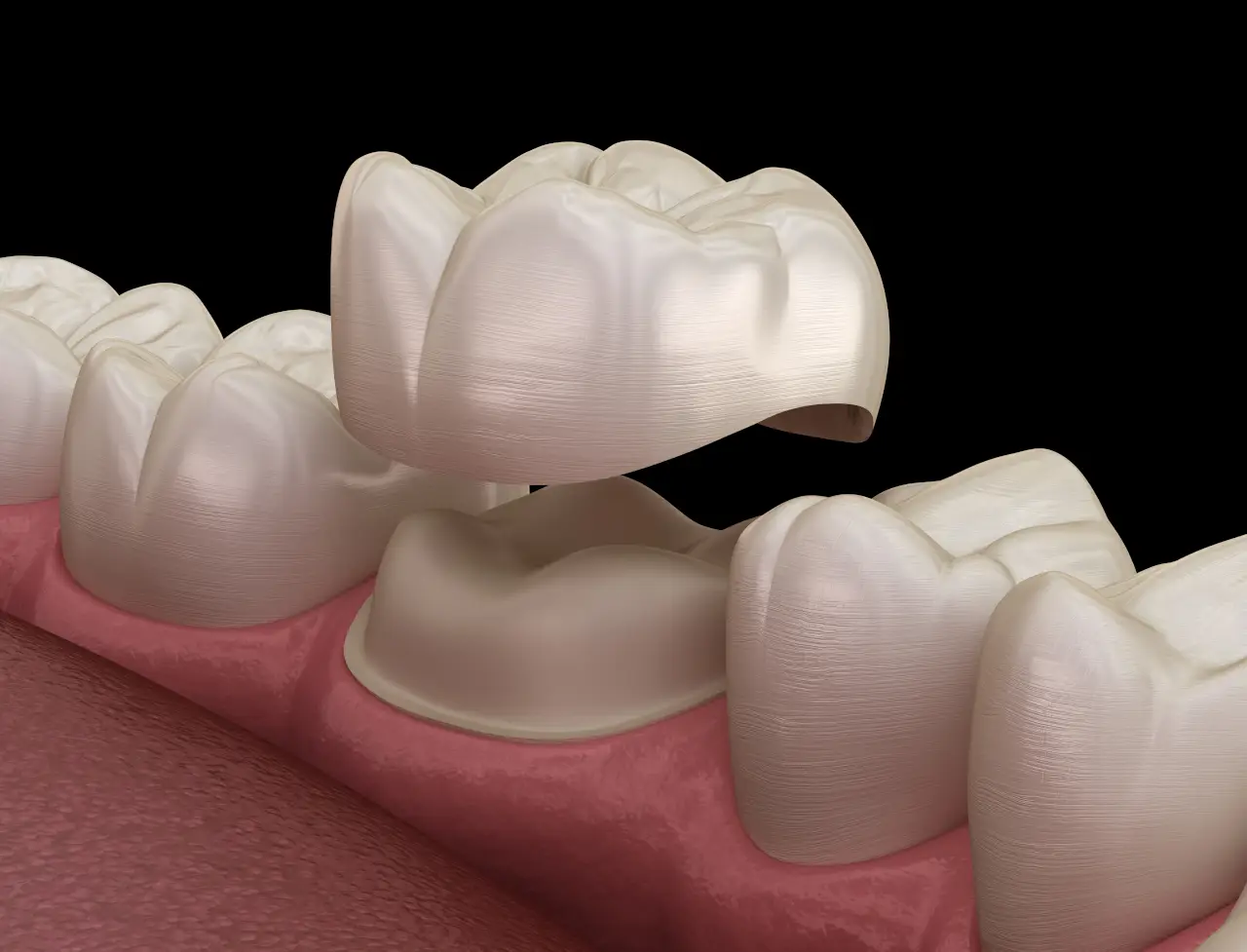
Dental sealants are thin protective coatings applied to the chewing surfaces of certain back teeth. These surfaces contain tiny grooves and depressions that can be difficult to clean completely with a toothbrush.
When food particles and bacteria settle into these areas, the risk of tooth decay may increase. Sealants work by creating a protective barrier over susceptible grooves, making it harder for bacteria and food debris to accumulate directly against the tooth surface.
Most dental sealants are made from a tooth-colored or clear resin material that bonds to enamel. Once hardened, the coating remains attached to the chewing surface and provides protection during everyday activities.
Importantly, sealants are preventive treatments rather than repairs for large existing cavities. Their primary purpose is to protect tooth surfaces that are healthy or suitable for preventive sealing.
Because sealants do not cover every part of the tooth, they must be used alongside brushing, flossing, fluoride exposure, and regular dental examinations.
Why Are Back Teeth More Likely to Develop Cavities?
Your molars and premolars play an important role in chewing food. Their broad biting surfaces contain grooves that help break down meals efficiently.
However, these natural grooves can also create spaces where bacteria become trapped. In some teeth, the grooves are so narrow that toothbrush bristles cannot reach their deepest areas.
Consequently, plaque may remain on the chewing surfaces even when a person brushes regularly.
Children may face additional challenges because their permanent molars often emerge before they have fully developed the coordination needed for thorough brushing.
Furthermore, newly erupted permanent teeth can be especially vulnerable to decay during the period when they are still developing and becoming exposed to the oral environment.
Applying sealants to appropriate teeth helps reduce the exposure of these grooves to bacteria and food particles.
Nevertheless, sealants are not necessary for every tooth. Your dentist evaluates groove anatomy, cavity history, and other risk factors before recommending treatment.
At What Age Should Children Get Dental Sealants?
Dental sealants are often recommended soon after permanent molars erupt. This timing allows the protective coating to be placed before decay has an opportunity to develop in vulnerable grooves.
The first permanent molars commonly appear around age six, while second permanent molars often erupt around age twelve. However, individual development varies.
Because these teeth emerge near the back of the mouth, parents sometimes do not realize that new permanent molars have appeared. Unlike baby teeth that fall out and are replaced, these molars usually emerge behind the existing teeth.
Therefore, routine dental examinations are helpful for tracking eruption and identifying appropriate opportunities for sealant placement.
Some children may also benefit from sealants on other teeth with deep grooves or elevated cavity risk.
The decision depends on the child’s oral health rather than age alone. For example, a child with frequent cavities may benefit from additional preventive measures alongside sealants.
At Blue Jay Family Dentistry, Dr. Nickolas Felten can evaluate your child’s developing teeth and explain which surfaces may benefit from extra protection.
Can Adults Benefit From Dental Sealants?
Although children and teenagers are common candidates, dental sealants are not exclusively pediatric treatments.
Some adults have deep grooves in their molars that remain susceptible to decay. If these surfaces are free from disqualifying restorations or extensive decay, sealants may be considered as part of a preventive care plan.
Adults with certain cavity risk factors, such as dry mouth or difficulty cleaning back teeth, may also benefit from discussing sealants with their dentist.
However, the treatment is not always appropriate for previously restored teeth or surfaces with existing damage. Each tooth must be evaluated individually.
Additionally, adults may have other preventive needs that deserve equal attention, including gum health, exposed root surfaces, and the condition of older fillings.
Therefore, a comprehensive examination helps determine whether sealants provide meaningful value as part of your overall dental care.
Benefits of Dental Sealants for Cavity Prevention
Dental sealants are widely used because they offer practical advantages for protecting susceptible chewing surfaces.
- Reduced cavity risk: Sealants create a barrier that helps prevent bacteria and food particles from settling into deep grooves.
- Noninvasive application: Placing sealants usually does not require drilling or removing healthy tooth structure.
- Little or no discomfort: Treatment is typically painless and does not require local anesthesia.
- Quick appointments: Sealants can often be applied in just a few minutes per tooth.
- Protection for newly erupted molars: Children may benefit from sealing vulnerable permanent teeth soon after they emerge.
- Preservation of natural enamel: Preventing cavities can reduce the need for future restorative procedures.
- Convenient maintenance: Sealants can be checked during routine dental examinations.
- Potential long-term savings: Preventing a cavity may help avoid some treatment costs associated with fillings or more extensive restorations.
Research has consistently supported the effectiveness of sealants in reducing cavities on the chewing surfaces of permanent molars. However, no preventive treatment eliminates every risk of tooth decay.
For the strongest protection, sealants should complement a consistent oral hygiene routine and appropriate professional care.
What Happens During a Dental Sealant Appointment?
One of the most appealing aspects of dental sealants is how straightforward the application process can be.
Unlike many restorative procedures, sealant placement usually does not involve drilling into the tooth or using numbing injections.
Step 1: Cleaning the Tooth
The dental professional begins by cleaning the chewing surface to remove plaque, debris, and other material that could interfere with bonding.
Step 2: Preparing the Surface
A special conditioning material is briefly applied to the enamel. This helps create a surface that allows the sealant to bond effectively.
Step 3: Rinsing and Drying
The tooth is rinsed and carefully dried. Keeping the area isolated from saliva is important because moisture can interfere with the sealant’s attachment.
Step 4: Applying the Sealant
The liquid sealant material is placed into the grooves of the chewing surface. Its consistency allows it to flow into small depressions where bacteria might otherwise collect.
Step 5: Hardening the Material
Depending on the product, a special curing light may be used to harden the sealant. Your dental professional then checks that the material has set properly.
Step 6: Checking the Bite
Finally, the sealed surface is evaluated to ensure the coating is comfortable and does not interfere with normal biting.
After treatment, most patients can return to their usual activities without significant restrictions, although any specific instructions from the dental team should be followed.
How Long Do Dental Sealants Last?
Dental sealants can remain effective for several years, although their durability depends on the material, placement quality, chewing habits, and individual tooth conditions.
Over time, some sealants may wear down, chip, or partially detach. However, this does not necessarily mean the entire treatment has failed.
During regular examinations, your dentist can inspect the sealed surfaces and determine whether the material remains intact.
If a sealant becomes worn or damaged, repair or replacement may be recommended when appropriate.
Importantly, a sealant that appears intact to you may still need professional evaluation. This is one reason routine checkups remain valuable even when no discomfort is present.
For children, sealant monitoring can be incorporated into scheduled preventive appointments as permanent teeth continue to develop.
Do Dental Sealants Replace Fluoride Treatments?
Sealants and fluoride are both preventive treatments, but they protect teeth in different ways.
Dental sealants cover susceptible chewing surfaces, especially the deep pits and grooves of molars. Their primary purpose is to create a physical barrier against the accumulation of bacteria and food debris.
Fluoride, meanwhile, helps strengthen enamel and supports the process of remineralization. It can protect multiple tooth surfaces, including areas not covered by sealants.
Because the two treatments work differently, they may be recommended together for some patients.
For example, a child with newly erupted permanent molars and an elevated cavity risk may benefit from both sealants and appropriate fluoride exposure.
However, additional fluoride treatments are not automatically necessary for every patient. Your dentist considers diet, oral hygiene, dental history, and other factors.
Blue Jay Family Dentistry offers a range of preventive dentistry services designed to address different cavity risk factors.
Are Dental Sealants Safe?
Dental sealants have a long history of use in preventive dentistry and are considered safe when applied appropriately.
Some patients ask whether resin-based sealants contain substances associated with bisphenol A, commonly called BPA. Certain dental resin materials may produce extremely small, temporary exposures to related compounds.
However, available evidence indicates that exposure from dental sealants is very low, and the cavity prevention benefits generally outweigh these concerns.
If you have questions about sealant materials or known allergies, discuss them with your dental team before treatment.
Additionally, appropriate isolation, application, and curing help ensure the material is placed correctly.
Your dentist can explain which products are used and why they are suitable for the teeth being treated.
How Much Do Dental Sealants Cost in Maplewood?
The cost of dental sealants depends on the number of teeth treated, the type of material used, and your insurance benefits.
Many dental insurance plans include some coverage for sealants on permanent molars in children. However, age restrictions, covered teeth, and plan limitations vary considerably.
Coverage for adults may be more limited, although individual policies differ.
Before scheduling treatment, ask your dental office to review expected costs and any available insurance benefits.
Since sealants are designed to reduce cavity risk, they may represent a practical preventive investment for appropriate candidates.
However, their value should be considered in relation to your individual risk rather than assuming every family member requires the same treatment.
How to Help Children Maintain Healthy Teeth Between Visits
Even when dental sealants are placed, home care remains essential. Fortunately, simple habits can help families build a strong foundation for oral health.
- Encourage brushing twice daily with an age-appropriate amount of fluoride toothpaste.
- Help younger children brush until they can reliably clean all tooth surfaces.
- Clean between teeth once daily where neighboring teeth touch.
- Limit frequent sugary snacks and beverages that expose enamel to repeated acid attacks.
- Offer water regularly, especially between meals.
- Use positive encouragement to make brushing a consistent part of daily routines.
- Schedule regular dental examinations based on your child’s needs.
Additionally, ask your dental team about the condition of newly erupted molars. Tracking tooth development helps identify appropriate opportunities for preventive treatment.
Families in Maplewood and the surrounding Saint Paul area can use preventive visits to discuss sealants, fluoride, brushing techniques, and other questions about developing teeth.
Frequently Asked Questions About Dental Sealants
Are dental sealants worth it for children?
Dental sealants can be particularly valuable for children with newly erupted permanent molars because they help reduce cavities in hard-to-clean chewing grooves. Your dentist can determine which teeth would benefit.
Can adults get dental sealants?
Yes. Some adults with susceptible, unrestored tooth surfaces may benefit from sealants. Suitability depends on cavity risk and the condition of the individual teeth.
Does getting dental sealants hurt?
Sealant placement is generally painless and typically does not require drilling or anesthesia. The material is applied to the chewing surface and hardened.
Can you get cavities under dental sealants?
Decay can still occur if a sealant becomes damaged, develops gaps, or if cavities form on other tooth surfaces. Regular examinations and daily oral hygiene remain important.
How long does a sealant appointment take?
Applying a sealant usually takes only a few minutes per tooth. Total appointment length depends on how many teeth are treated and whether other preventive services are performed.
Help Protect Your Family’s Teeth in Maplewood
Dental sealants provide an additional layer of protection for back teeth that may be more vulnerable to cavities. Although they do not replace brushing, flossing, or fluoride, they can be a useful part of a personalized preventive care plan.
If you are wondering whether dental sealants would benefit your child or another family member, Blue Jay Family Dentistry in Maplewood, MN, can help. Call Us Today at 651-770-2900 to book an appointment and learn more about preventive care with Dr. Nickolas Felten.